Gear & SelectionLast Updated: 2026-09-11
Mountaineering Sunglasses Lens Categories (Cat 1-4) & Zero Snow Blindness Formula
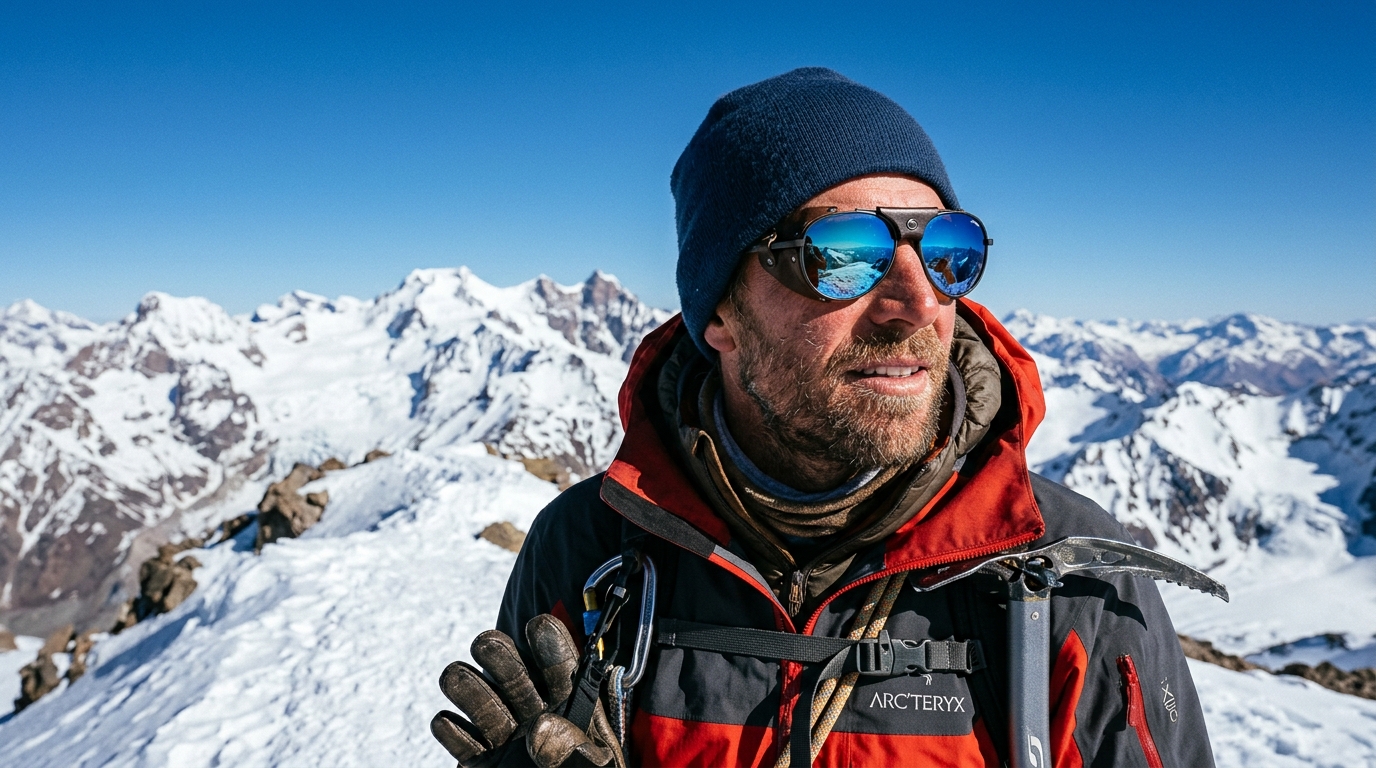
📷Mountaineering Sunglasses Lens Categories (Cat 1-4) & Zero Snow Blindness Formula
Key Takeaways & Core Rules
- 1Optical biomechanics of high-altitude UV radiation (+10-12% per 1,000m gain) and 85% snow surface albedo causing photokeratitis (snow blindness) and cataracts.
- 2Comprehensive lens category matrix (Cat 0 to Cat 4, VLT 3-8%) and breakdown of Polarized vs Photochromic vs Mirror coatings for alpine terrain.
- 3Features side-shield peripheral UV protection setups and active ventilation adjustments to eliminate uphill sweat fogging (anti-fog).
#MountaineeringSunglasses#GlacierGlasses#SnowBlindnessPrevention#LensCategory4#PolarizedVsPhotochromic#UV400Protection#WinterHikingGear#AlpineEyeProtection#OutdoorEyewear
Table of Contents
1. [Ocular Biomechanics] Why Fashion Sunglasses Cause Serious Eye Damage in Mountains2. [Comparison Matrix] Lens Transmission Categories (Cat 0-4) & 3 Optical Technologies3. [Pro Alpinist Setup] Side Shields & Zero Sweat Fogging Configuration⚠️ Common Rookie Mistakes & Solutions🛍️ Buyer's Guide & Spec Checklist
1. [Ocular Biomechanics] Why Fashion Sunglasses Cause Serious Eye Damage in Mountains
- Altitude UV Escalation & Cornea Burns: UV radiation intensity increases by 10–12% per 1,000 meters of altitude gain. Snow and exposed granite slabs reflect up to 85% of ambient UV rays directly into your eyes.
- The Danger of Photokeratitis (Snow Blindness): Intense unshielded UV exposure literally burns the corneal epithelium, triggering extreme gritty eye pain, swollen eyelids, and temporary blindness 6–12 hours later.
- The Trap of Cheap Dark Lenses: Dark lenses lacking certified UV400 protection cause pupils to dilate wider, allowing massive doses of hazardous UV radiation to penetrate deep into the crystalline lens and retina.
2. [Comparison Matrix] Lens Transmission Categories (Cat 0-4) & 3 Optical Technologies
| Lens Category / Type | Visible Light Transmittance (VLT) | Optical Mechanism & Strength | Recommended Terrain & Cautions |
|---|---|---|---|
| Cat 2 (Everyday Urban) | 18% to 43% | Medium sunlight filtering for overcast city days | Never use on exposed ridges or snowfields (insufficient shade) |
| Cat 3 (4-Season Mountain Standard) | 8% to 18% | Heavy sunlight blockage with 99.9% UV400 defense | Universal standard for temperate 4-season peak hiking |
| Cat 4 (High Alpine Glacier Glasses) | 3% to 8% | Extreme dark tint for snowfields and glaciers | Mandatory for Mont Blanc, Himalayas, snow trails (⚠️ Strictly illegal for driving) |
| Polarized Lenses | 100% horizontal glare cutoff | Eliminates reflection off wet rocks and water | Superior terrain contrast (Note: Distorts smartphone/GPS screens) |
| Photochromic Lenses (Transitions) | Dynamically shifts Cat 1 ↔ Cat 3 | Automatically adjusts tint based on ambient UV strength | Best for long-distance hikes moving between dense forest canopy and open ridges |
3. [Pro Alpinist Setup] Side Shields & Zero Sweat Fogging Configuration
- Side Shield Peripheral UV Defense: In the mountains, over 30% of harmful UV enters through the sides and bottom. Leather or silicone side shields on glacier glasses block peripheral albedo completely.
- Uphill Anti-Fog Air Gap Adjustment: When ascending steep climbs with heavy perspiration, push nose pads slightly outward to create a 5mm top ventilation gap, letting rising hot vapor escape before condensing on cold lenses.
- Securing Retention Straps: Prevent expensive eyewear from blowing off in sudden summit gusts by fastening a snug neoprene retention strap around the back of your neck.
Common Rookie Mistakes & Proven Solutions
Mistake 1Driving home in dark Category 4 glacier sunglasses after descending
⚠️ Potential Hazard:With VLT under 8%, entering road tunnels or shaded forest drives causes instantaneous visual blackout, creating extreme collision hazards (illegal for road use)
💡 Recommended Solution:Always swap to Cat 2-3 standard driving sunglasses or clear prescription glasses before getting behind the wheel.
Mistake 2Hiking on snow-covered winter trails without sunglasses because the weather is overcast
⚠️ Potential Hazard:UV rays penetrate thin cloud cover and bounce off snow with 85% albedo, causing severe corneal burns (snow blindness) even on cloudy days
💡 Recommended Solution:Wear UV400 rated mountaineering glasses continuously on snow trails regardless of cloud cover.
Smart Buyer's Guide: Outdoor Sunglasses & Anti-Fog Care
Avoid These Products (Traps & Wasted Money)
- •❌ Cheap alcohol wipes or regular wet tissues (destroys polarized and mirror coatings)
- •❌ Uncertified $10 fashion sunglasses without UV400 certification (causes eye damage)
Recommended Specs & Price Matrix by Experience Level
Beginner Budget ($15~$30)
Disposable Nano Anti-Fog Wipes (50pk) + UV400 Certified Polarized Shades
Day hikers wanting clear, fog-free vision
Budget:$15~$30
Intermediate Pro ($50~$150)
Cat 3-4 Photochromic Polarized Lenses + Removable Side Shields + Hydrophobic Coating
Ridge climbers and winter snow trekkers
Budget:$50~$150
🔍 Pre-Purchase Spec Checkpoints
- ✓🔍 Verified UV400 (99.9% UV protection) rating certificate
- ✓🔍 Hydrophilic anti-fog durability (at least 8-12 hours per wipe)
- ✓🔍 Anti-slip rubberized nose pads and secure wrap-around frame
Recommended Search Terms:
🔍 Polarized Hiking Sunglasses🔍 Nano Anti-Fog Lens Wipes🔍 Photochromic Glacier GlassesEssential Hiking & Trail Glossary
Photokeratitis (Snow Blindness)
A painful temporary eye condition caused by overexposure to UV rays reflected off snow or ice, resulting in sunburned corneal surface cells
Category 4 Lens
An ultra-dark optical lens with 3-8% visible light transmission engineered specifically to block intense high-altitude glacier glare
Interactive Trail Safety Checklist
Tap each item before departing to verify readiness.
⚠️ Initial Phase (Review Needed)(0%)
Completed Items0 / 5
Frequently Asked Questions (FAQ)
A.You can utilize sports eyewear with integrated Rx clip-in inserts, direct prescription ground optical lenses (Direct Rx), or fit-over sunglasses (Overglasses) designed to wear directly over your existing prescription frames.
Generational Hiking Guide Series
🌱 Kids & Family
Kids Trail Gamification & Scavenger Hunt
3 rules to turn early whining into joyful nature exploration
View Guide
🔥 Young & Couples
Couples Hiking Date & 10-Min Myth Guide
Pacing strategies, secret comfort gear, and scenic date peaks
View Guide
💪 4050 Middle-Aged
4050 Spine Decompression & Fat Burn
Protecting lumbar discs while maximizing visceral fat loss
View Guide
🌲 6070 Seniors
Hiking with Elderly Parents & Medical Kit
Barrier-free boardwalks, anti-shock poles, and medical safety
View Guide
Related Hiking Guides
View All Guides →Gear & Selection
8-Hour Piping Hot Water at -20°C: Alpine Vacuum Thermos Copper Coating & Zero Hydration Tube Freezing Formula
Read Guide
Gear Guide
"Your Standard Watch Will Die on Mount Seorak!" 4 Dedicated Hiking Smartwatch Brands [Garmin vs Suunto vs Coros vs Apple/Galaxy Ultra] & Offline GPX Navigation Guide
Read Guide
New Tech/Exoskeleton
“Instantly Shed 30kg of Pack Weight?” Wearable Robotic Exoskeletons & Outdoor Walking Assist Tech Guide
Read Guide