Loading Mountain Details
Fetching live weather forecasts & trail safety status...
A representative Korean peak certified for its high scenic beauty and historical hiking significance.
Check real-time weather and safety status for Jiri Mountain. We provide wind speed, precipitation, temperature, trail courses, and transport info to help plan your hike.
Embracing fertile plains and highly picturesque valleys, Jiri Mountain (1915.4m) is truly magnificent in the entire landscape blazes with red maple leaves in October. Climbing past the tranquil temple courtyard leads to an immense view. A feast of bamboo tube rice with pan-fried flatbed cockles afterward completes the journey.
”Among the five peaks of Silla, Namak is the highest peak in the interior of South Korea, Cheonwangbong (1,915m) as the main peak, and it forms a huge mountain group of about 100 miles from east to west, including Nogodan (1,507m) and Banyabong (1,751m), forming the 'Jiri Mountain 12 Dongcheon'. Considering the fact that it is the largest natural ecosystem treasure trove in Korea and was designated as the first national park (1967). The name of the mountain comes from the saying that if a foolish person stays, he or she will change into a wise person. Hwaeomsa Temple, Cheoneunsa Temple, Yeongoksa Temple, and Ssanggyesa Temple are famous.
The highlight of the Jiri Mountain hike is definitely the Jureung trail. This is because walking the hundred miles from Nogodan to Cheonwangbong Peak is the shortcut to getting to know Jiri Mountain in a short period of time. It is a long course that requires at least two nights, but there are shelters at Nogodan, Baemsagol, Yeonhacheon, Byeoksoryeong, Seseok, and Jangteomok, so there is no problem. However, you must make a reservation to use it, so sit down in front of your phone or computer at least 15 days before your hike. It's a long distance, so you need to be prepared, but you don't have to worry too much. The ridge is generally gentle, so anyone of any age can complete it. As the days go by, the history increases, and the ever-changing scenery adds strength. Since each shelter has a spring, the drinking water problem is easily solved. The only way to eat is to cook. For this reason, if you have a lot of luggage, you can rent bedding instead of taking it with you. There is also a way to share the load when traveling with several people.
| division | panel | time taken |
|---|---|---|
| Recommended course | Seongsamjae ① - 40 minutes - Nogodan ② - 1 hour 20 minutes - Imgeolryeong ③ - 30 minutes - Norumok ④ - 30 minutes - Samdobong ⑤ - 30 minutes - Hwagaejae ⑥ - 30 minutes - Tokkibong ⑦ - 1 hour - Myeongseonbong ⑧ - 30 minutes - Samgakgoji ⑨ - 1 hour - Byeoksoryeong ⑩ - 1 hour - (Seonbi Sam) - 2 hours - (Seseokpyeongjeon) - 1 hour - Yeonhabong ⑫ - 30 minutes - Jangteomok - 1 hour - Cheonwangbong Peak ⑭ - 3 hours - Jungsan-ri | About 15 hours |
| Other course 1 | (Jungsan-ri) - Kalbawi ⑯ - Mangbawi ⑰ - Beopgyesa Temple (Rotary Shelter) ⑱ - Cheonwangsaem ⑲ - Cheonwangbong ⑭ - (Jungsanri) | About 8 hours |
| Other Course 2 | Seongsamjae ① - Nogodan ② - Imgeolryeong ③ - Norumok ④ - Banyabong ⑳ - Hwagaejae ⑥ - Baemsagol ㉑ - Banseon ㉒ | Approximately 7 hours and 30 minutes |
The starting points are Gurye, Jinju, and Hamyang. There are frequent buses from Gurye to Hwaeomsa Temple, 13 times to Ssanggyesa Temple, and 8 times to Seongsamjae Temple. There are 16 trips to Jungsan-ri from Jinju and 18 trips to Baekmu-dong from Hamyang. To Gurye, it is recommended to take the Jeolla Line train, which runs 13 times a day (from Yongsan), and to Jinju or Hamyang, buses are convenient. To Jinju, premium buses run every 30 minutes (3 times late at night) from Seoul's Nambu Terminal, every 20 minutes from Busan's Nopo-dong Terminal, every 45 minutes from Daegu's West Bus Terminal, and every hour from Daejeon's East Terminal. There are also buses from Incheon, Cheongju, Ulsan, Jeonju, Gwangju, and Yeosu. To Hamyang, it operates 12 times (2 times late at night) from East Seoul Terminal and 8 times from Nambu Terminal. Buses run every 15 minutes in Busan and every 30 minutes in Daegu, and there are also buses from Incheon, Suwon, Gwangju, and Jeonju. Exit Jeonju IC on the Honam Expressway and use national highways 17 → 19 to reach Gurye via Namwon. If you use the Namhae Expressway, transfer to National Road 19 at Hadong IC and come to Gurye. From Daegu, you can exit the 88 Olympic Expressway at Jirisan IC and go to Sannae, Macheon, Baekmu-dong, and Seongsamjae. Dongbu Jiri Mountain is just a short walk from Sancheong IC on the Daejeon-Tongyeong expressway, and you can reach Jungsan-ri by taking national highway No. 59 → No. 20. You can also take National Route 20 from Danseong IC.
Practical technical hiking guides tailored for elevation 1915.4m.
![“쉬면 춥고 걸으면 땀 범벅인 당신에게” 등린이 티를 벗는 하이커의 비밀: [Zone 2 & 핏집 벤트 컨트롤]](/images/zone2_vent_control_guide.jpg) 체온조절
체온조절고어텍스를 입고도 내부가 축축해지는 원인을 분석하고, 투습 한계를 극복하는 물리적 환기(Ventilation) 타이밍을 제시합니다.
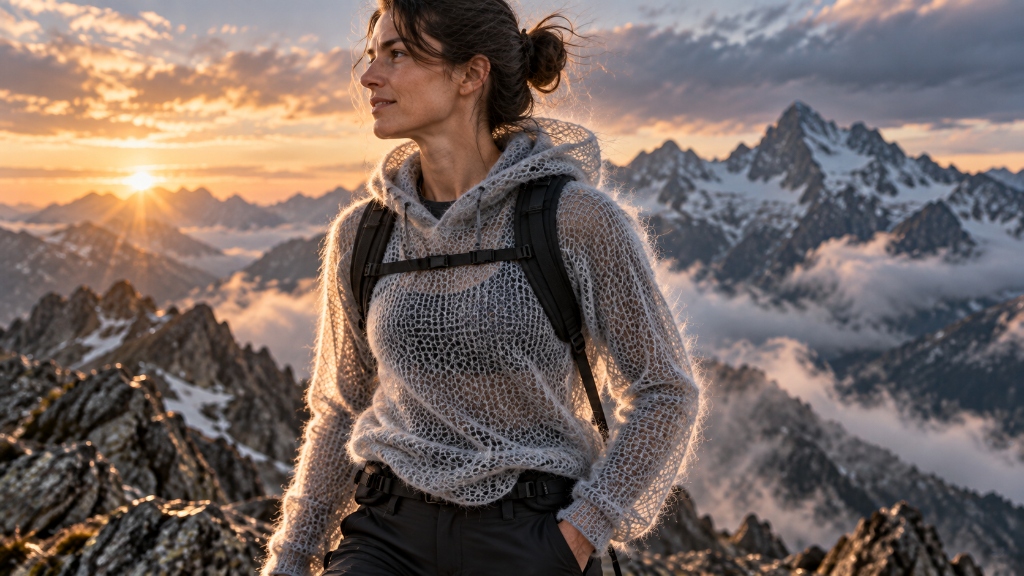 신소재/기어
미군 특수작전사령부(SOCOM) 요청으로 탄생한 차세대 초경량 액티브 인슐레이션(Active Insulation)의 구조적 원리를 분석합니다.
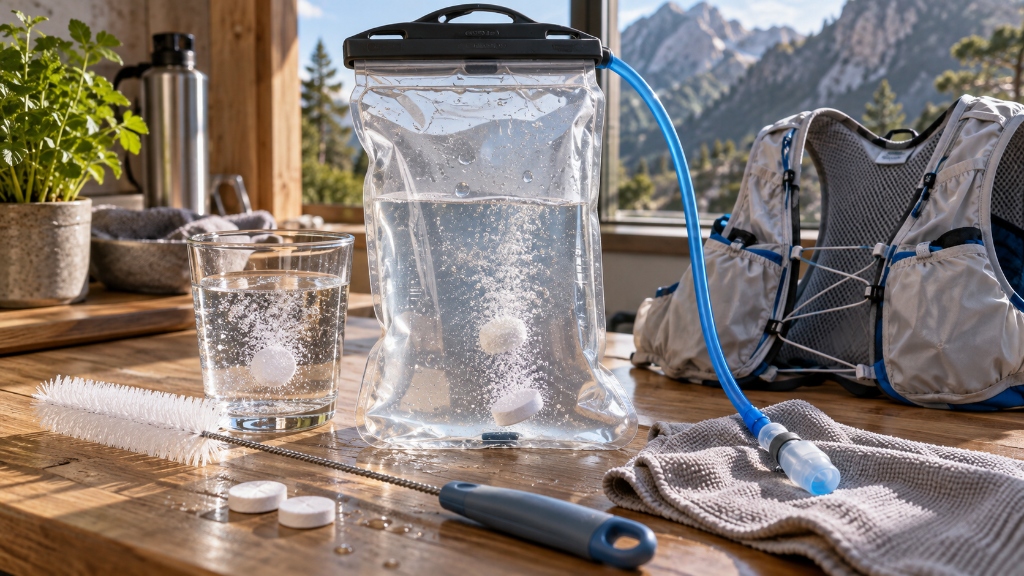 장비관리
장비관리등산 조끼와 배낭용 수낭(하이드레이션 블래더) 호스 내부에 침과 잔수로 인해 발생하는 검은 곰팡이(바이오필름)의 위험성과 원인을 분석합니다.
Review 4-season rules, the 5:3:2 stamina law, interactive packing checklists, and 119 emergency rescue steps.