Loading Mountain Details
Fetching live weather forecasts & trail safety status...
A representative Korean peak certified for its high scenic beauty and historical hiking significance.
Check real-time weather and safety status for Jogyesan Mountain. We provide wind speed, precipitation, temperature, trail courses, and transport info to help plan your hike.
Embracing fertile plains and highly picturesque valleys, Jogyesan Mountain (887.3m) is truly magnificent in cherry blossoms and flower petals rain down in April. Climbing past the tranquil temple courtyard leads to an immense view. A feast of Jeolla-style mountain vegetable bibimbap and freshwater crab soup afterward completes the journey.
”It is a famous mountain called Little Gangnam (小江南) since ancient times, and was selected for its beautiful natural scenery such as deep valleys, dense forests, waterfalls, and mineral waters, many Buddhist historical sites, and the fact that it was designated as a provincial park (1979). Songgwangsa Temple, which holds many national treasures including Songgwangsa National Dictionary (National Treasure No. 56), is famous for its juniper tree (Natural Monument No. 88).
This course goes around the ‘U-shaped headstand’ that surrounds Jangmakgol. The first place to climb is Songgwang Cave (720m). Next, it passes Yeonsanbong Peak (830m), the highest peak near Songgwangsa Temple, and reaches peak 787. The area around Peak 787 is a flat silver grass field. The ridge leading to Janggunbong Peak in Sangbong is also flat. The same goes for Janggunbong Peak, so the view is not very good. You have to find it at Baebawi Rock in the middle going down to Namneung. On the way back from Seonam Gulmokijae to Songgwang Gulmokijae, there is a famous barley rice restaurant. In the middle of the road between temples, which is the most visited place by nearly a million visitors (980,000 as of 2003), a tavern-like restaurant has been built. Not only is the food delicious, but you can also enjoy a nap while lying down on the bed. When you return to Songgwang Cave, you will now head south to Cheonjaam. This is to see the famous natural monument (No. 88) Ssanghyangsu. It is a famous product made of two 800-year-old juniper trees twisted like taffy sticks.
| division | panel | time taken |
|---|---|---|
| Recommended course | Songgwangsa Temple ① - 1 hour - Songgwang Cave ② - 30 minutes - Yeonsan Intersection ③ - 40 minutes - Peak 787 - 1 hour - Summit ⑤ - 40 minutes - Seonam Cave ⑥ - 30 minutes - Songgwang Cave ② - 30 minutes - Cheonjaam ⑦ - 50 minutes - Ungujae ⑧ - 30 minutes - Songgwangsa Temple ① | Approximately 6 hours and 10 minutes |
| Other course 1 | Songgwangsa Temple ① - Songgwang Cave ② - Seonam Cave ⑥ - Summit ⑤ - Seonamsa Temple ⑨ | About 3 hours |
| Other Course 2 | Seonamsa Temple ⑨ - Summit ⑤ - Seonam Cave ⑥ - Seonamsa Group Facility District ⑩ | Approximately 2 hours and 40 minutes |
The starting point, Suncheon, is a railroad crossing, so it is best to use the train. There are 13 trains on the Jeolla Line from Yongsan, 7 trains on the Gyeongjeon Line from Gwangju, 4 trains from Bujeon in Busan, and a night train from Jinju to Yongsan via Suncheon. Suncheon → Seonamsa Temple: Buses 1, 16, and 100 run frequently from 05:50 to 22:30 Suncheon → Songgwangsa Temple: run every 40 minutes from 06:20 to 20:20 Buses to Songgwangsa Temple are also available at Gwangju General Terminal. Gwangju → Songgwangsa: 9 times a day ① To go to Songgwangsa, exit at Juam IC on the Honam Expressway and take national road 27 toward Beolgyo. ②When going to Seonamsa Temple, go about 1 kilometer from Seungju IC National Road No. 22 toward Suncheon and turn onto Local Road No. 857 at the three-way intersection.
Practical technical hiking guides tailored for elevation 887.3m.
![“쉬면 춥고 걸으면 땀 범벅인 당신에게” 등린이 티를 벗는 하이커의 비밀: [Zone 2 & 핏집 벤트 컨트롤]](/images/zone2_vent_control_guide.jpg) 체온조절
체온조절고어텍스를 입고도 내부가 축축해지는 원인을 분석하고, 투습 한계를 극복하는 물리적 환기(Ventilation) 타이밍을 제시합니다.
 신소재/기어
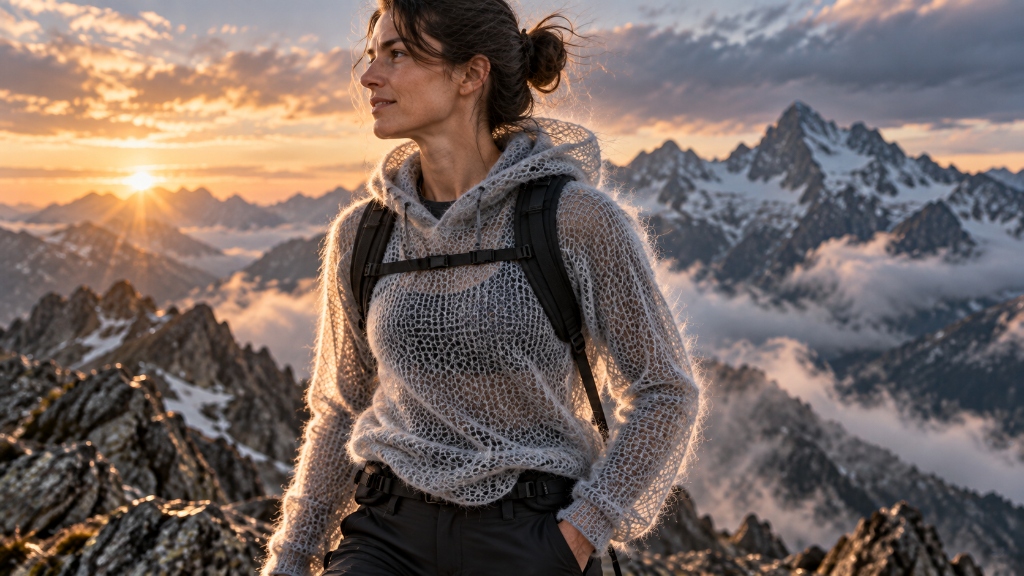
미군 특수작전사령부(SOCOM) 요청으로 탄생한 차세대 초경량 액티브 인슐레이션(Active Insulation)의 구조적 원리를 분석합니다.
 장비관리
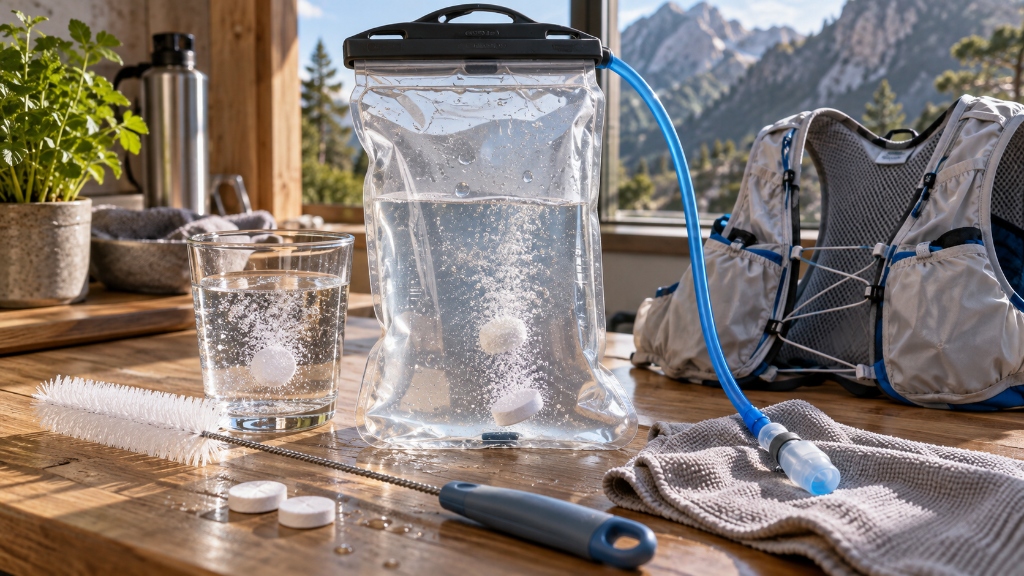
장비관리등산 조끼와 배낭용 수낭(하이드레이션 블래더) 호스 내부에 침과 잔수로 인해 발생하는 검은 곰팡이(바이오필름)의 위험성과 원인을 분석합니다.
Review 4-season rules, the 5:3:2 stamina law, interactive packing checklists, and 119 emergency rescue steps.