Loading Mountain Details
Fetching live weather forecasts & trail safety status...
A representative Korean peak certified for its high scenic beauty and historical hiking significance.
Check real-time weather and safety status for Seoraksan Mountain. We provide wind speed, precipitation, temperature, trail courses, and transport info to help plan your hike.
Surrounded by the pristine nature of Gangwon-do, Seoraksan Mountain (elevation 1708.1m) is best visited during mid-winter in January when the snow flowers bloom brilliantly. Visualizing aromatic Gondre namul (thistle) rice and chewy potato ongsimi at the foot of the hill makes the final steps to the peak feel effortless. Post-hike, dining at a local valley restaurant is the ultimate reward.
”The third highest peak in South Korea, Hangyeryeong, Madeungryeong, and Misiryeong, are a combination of numerous passes, mountain ranges, and valleys, forming the peak of mountainous beauty that represents Korea. It was selected considering the fact that it is managed as a national park (designated in 1970) and a UNESCO biosphere reserve (1982). Baekdamsa Temple (百潭寺), Bongjeongam Hermitage (鳳頂菴), Sinheungsa Temple, Gyejoam Rock, Oseam Rock, Heungbawi Rock, Towangseong Falls, and Daeseung Falls are especially famous.
Cheonbuldong Valley is the best among the valleys of Seorak Mountain in terms of majesty and beauty. From Biseondae, the head of the field, the red cliffs, Janggunbong Peak, and the wide rock stream and Jingdam that rise high into the sky mesmerize the viewer. The long Tongbawi Valley with cool water naturally forms a waterfall, Oryeon Falls with sparsely dug baths, Gwimyeonam Rock rising ruggedly at the edge of the gorge, Yangpok Mountain Lodge, a stone house forgotten by the world, Mulgol Gorge above Cheondang Falls... Due to its outstanding beauty, Cheonbuldong Valley has become the most loved course in Seoraksan Mountain. When going from Yangpok to Huiungak, you must cross the steep Meoemi Pass. A long wooden staircase awaits on the way up to Socheongbong Peak. However, when you look back from time to time, the entire interior and exterior of Seorak is filled with the blue sea. It is common to descend the mountain in five colors. This is because the distance is short, transportation is good, and there are even hot springs to relieve the fatigue of hiking. Yes, if you have completed this perfect course without missing anything, you can say that you have seen Seorak.
| division | panel | time taken |
|---|---|---|
| Recommended course | Seorak-dong ① - 50 minutes - Biseondae ② - 1 hour - Gwimyeonam ③ - 1 hour 30 minutes - Yangpok ④ - 1 hour 30 minutes - (Huiungak) - 1 hour 20 minutes - (Socheong) - 20 minutes - (Jungcheong) - 30 minutes - Daecheong ⑤ - 3 hours 30 minutes - Osaek ⑥ | Approximately 10 hours and 30 minutes |
| Other course 1 | Yongdaeri ⑦ - Baekdamsa Temple ⑧ - Suryeomdong Shelter ⑨ - Ssangpok ⑩ - Bongjeongam ⑪ - Socheong - Seorak Shelter ⑫ | About 8 hours |
| Other Course 2 | Namgyori ⑬ - Twelve Seonnyeotang Valley ⑭ - Daeseungnyeong ⑮ - Gwicheong ⑯ - Hangyeryeong Crossroads ⑰ - Seorak Shelter ⑫ | Approximately 13 hours and 30 minutes |
The starting point is Sokcho. Express buses run every 30 minutes from Seoul's East Seoul Bus Terminal and Gangnam Express Bus Terminal, and there are also two late-night buses. Cities served by intercity buses to Sokcho include Busan, Daegu, Gwangju, Daejeon, Ulsan, Suwon, Seongnam, Chuncheon, Ansan, Ilsan, Uijeongbu, Chungju, Taebaek, and Pocheon. To get to Naeseorak, take a direct route from Dong Seoul Donghap Terminal or Sangbong Terminal via Hongcheon. - Sokcho → Seorak-dong: City buses No. 7 and 7-1 run at 10-minute intervals. Yeongdong Expressway Hyeonnam IC - National Highway No. 7 toward Sokcho. Naeseorak is located on the Jungang Expressway Hongcheon IC-National Highway 44-Wontong Folk Craft Complex Intersection and National Highway 46.
Practical technical hiking guides tailored for elevation 1708.1m.
![“쉬면 춥고 걸으면 땀 범벅인 당신에게” 등린이 티를 벗는 하이커의 비밀: [Zone 2 & 핏집 벤트 컨트롤]](/images/zone2_vent_control_guide.jpg) 체온조절
체온조절고어텍스를 입고도 내부가 축축해지는 원인을 분석하고, 투습 한계를 극복하는 물리적 환기(Ventilation) 타이밍을 제시합니다.
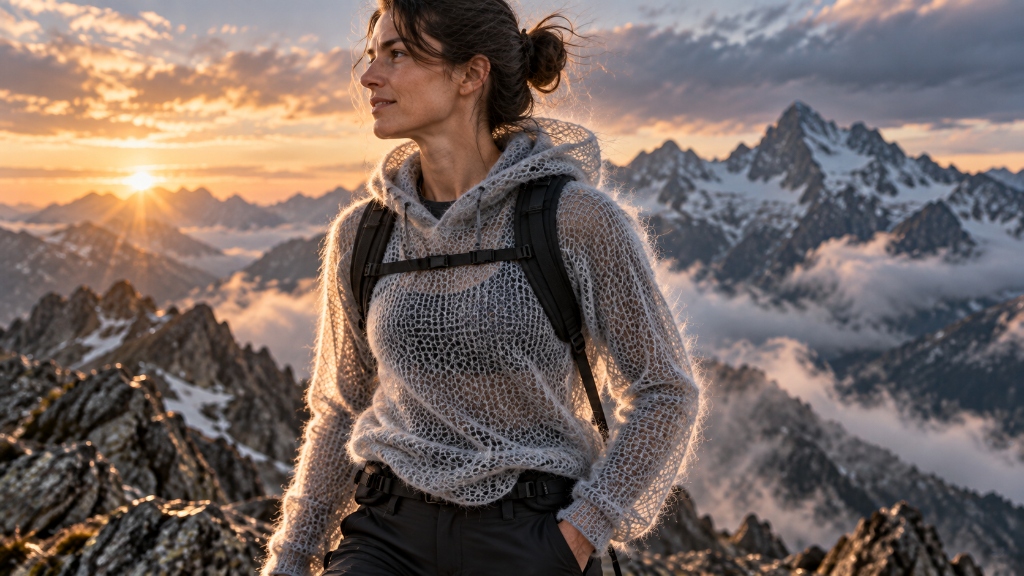 신소재/기어
미군 특수작전사령부(SOCOM) 요청으로 탄생한 차세대 초경량 액티브 인슐레이션(Active Insulation)의 구조적 원리를 분석합니다.
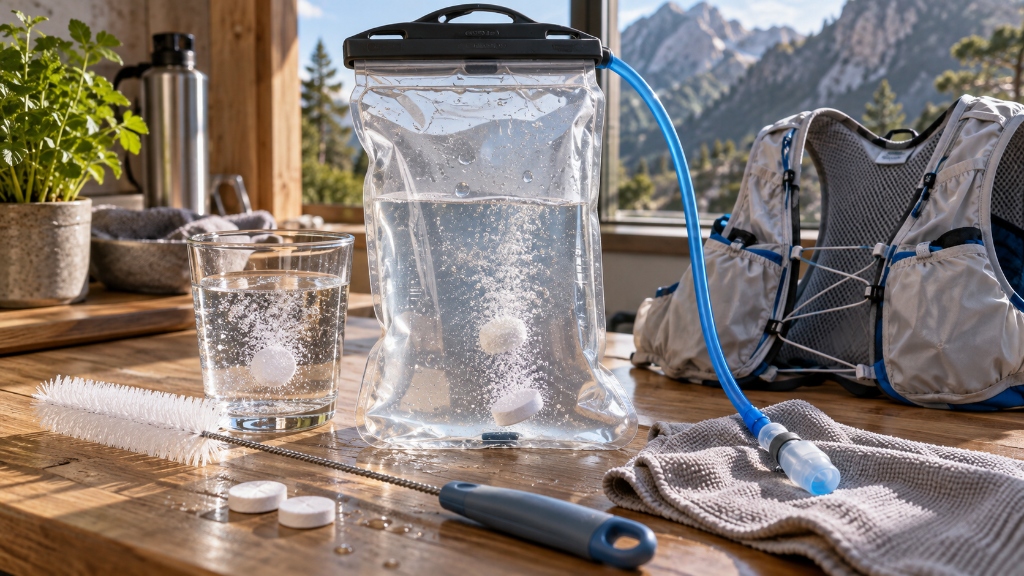 장비관리
장비관리등산 조끼와 배낭용 수낭(하이드레이션 블래더) 호스 내부에 침과 잔수로 인해 발생하는 검은 곰팡이(바이오필름)의 위험성과 원인을 분석합니다.
Review 4-season rules, the 5:3:2 stamina law, interactive packing checklists, and 119 emergency rescue steps.