Loading Mountain Details
Fetching live weather forecasts & trail safety status...
A representative Korean peak certified for its high scenic beauty and historical hiking significance.
Check real-time weather and safety status for Dobongsan Mountain. We provide wind speed, precipitation, temperature, trail courses, and transport info to help plan your hike.
Dobongsan Mountain (740.2m) offers a rugged yet accessible getaway near Seoul, particularly recommended during early spring in May when fresh green foliage bursts into life. Standing on the rocky crest to catch the breeze, followed by handmade tofu and pork belly wrapped in pine nuts for a nutty finish on your way down, guarantees a perfect weekend climbing experience.
”Centered around the highest peak, Jaunbong Peak, Manjangbong Peak, Seoninbong Peak, Wondobong Valley, Yongyongcheon Valley, and Songchu Valley are designated as national parks (in 1983) for their beautiful scenery. They were selected considering that they are a resting place for citizens of the metropolitan area, making them the best place for rock climbing. Hoeryongsa Temple, Mangwolsa Temple, Famous temples include Cheonchuksa Temple and Bomunsa Temple.
This course goes around the core area in front of Dobongsan Mountain. You can enjoy the valley scenery, the charm of Ambongneung Tomb, and the view from the ridge. The main valley, Munsa-dong Valley, is an eye-opening surprise. The bedrock streams between strangely shaped rocks are second to none on any mountain. On the other hand, Gongyongcheon Valley continues to climb. So most hikers choose the Dobong Mountain Lodge - Madangbawi course, which offers a secluded taste. The Jubong Spring Site campsite was originally built as a cable car station site. The campsite is now closed and the spring has also been buried. Sangbong Jaunbong is difficult to climb unless you have significant rock climbing experience, so enjoying the view should be done at Sinseonbong instead. You can see the side view of Seoninbong from the observation ridge east of Manwolam Rock. There are many oak trees on the attic ridge on the way down the mountain.
| division | panel | time taken |
|---|---|---|
| Recommended course | Ticket office ① - 15 minutes - Dobong Seowon ② - 25 minutes - Gonghyocheon Valley Auraji ③ - 40 minutes - Jubong Spring Site Campground ④ - 30 minutes - Manjang·Seonseonbong Saemok ⑤ - 40 minutes - Manwolam Rock East Observation Rock ⑥ - 50 minutes - Dobong Seowon ② - 15 minutes - Ticket office ① | Approximately 3 hours and 35 minutes |
| Other course 1 | Parking lot ① - Dobong Seowon ② - Dobong Mountain Lodge ⑦ - Madangbawi Rock ⑧ - Sinseonbong ④ - Kalbawi Rock - Uiam ⑨ - Ui-dong ⑩ | Approximately 3 hours and 30 minutes |
| Other Course 2 | Mangwolsa Station ⑪ - (Wondobong Ticket Office) - Mangwolsa Temple ⑬ - Sinseonbong Peak - Songchu Falls ⑭ - Songchu Valley ⑭ - Songchu Station ⑯ | Approximately 3 hours and 30 minutes |
| Other course 3 | Hoeryonggol Ticket Office ⑰ - Hoeryongsa Temple ⑱ - Podae Ridge ⑲ - Sinseonbong Peak ④ - Madangbawi Rock ⑧ - Dobong Lodge ⑦ - Parking Lot ① | About 4 hours |
It is convenient to use the subway. To get to Dobong-dong, take Line 1 and Line 7 to Dobongsan Station, and to Mangwolsa and Hoeryongsa Temple, take Line 1 a little further and get off at the station of the same name. To get to Songchu, get off at Gupabal Station on Line 3 and take bus 7023 or 704 to Songchu, or buses 34 or 36 to Uijeongbu. With the opening of the Seoul Ring Expressway, access has become more convenient. From Dobong-dong or Hoeryongsa Temple, you can get off at Uijeongbu IC, and from Songchu, there is also Songchu IC.
Practical technical hiking guides tailored for elevation 740.2m.
![“쉬면 춥고 걸으면 땀 범벅인 당신에게” 등린이 티를 벗는 하이커의 비밀: [Zone 2 & 핏집 벤트 컨트롤]](/images/zone2_vent_control_guide.jpg) 체온조절
체온조절고어텍스를 입고도 내부가 축축해지는 원인을 분석하고, 투습 한계를 극복하는 물리적 환기(Ventilation) 타이밍을 제시합니다.
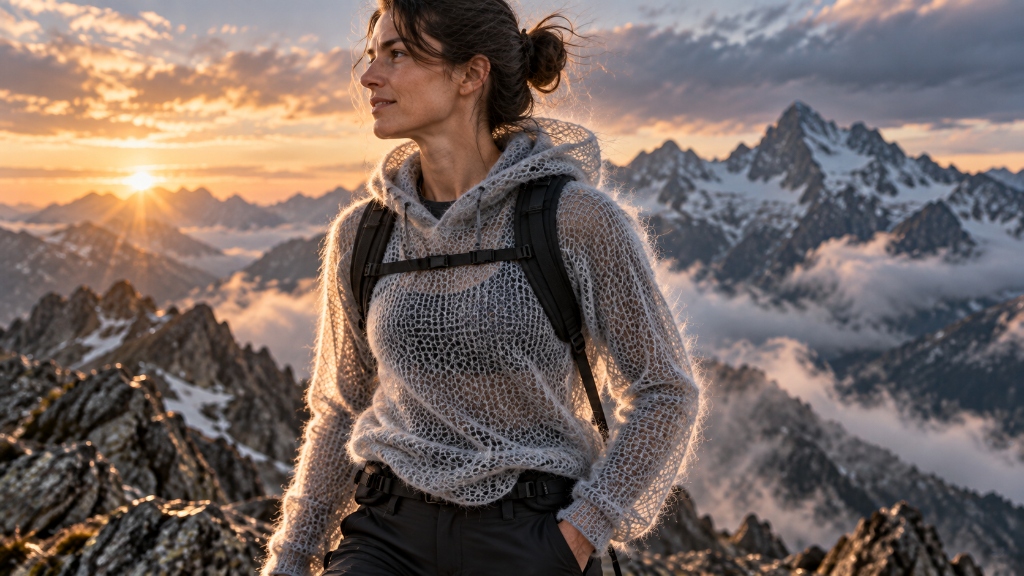 신소재/기어
미군 특수작전사령부(SOCOM) 요청으로 탄생한 차세대 초경량 액티브 인슐레이션(Active Insulation)의 구조적 원리를 분석합니다.
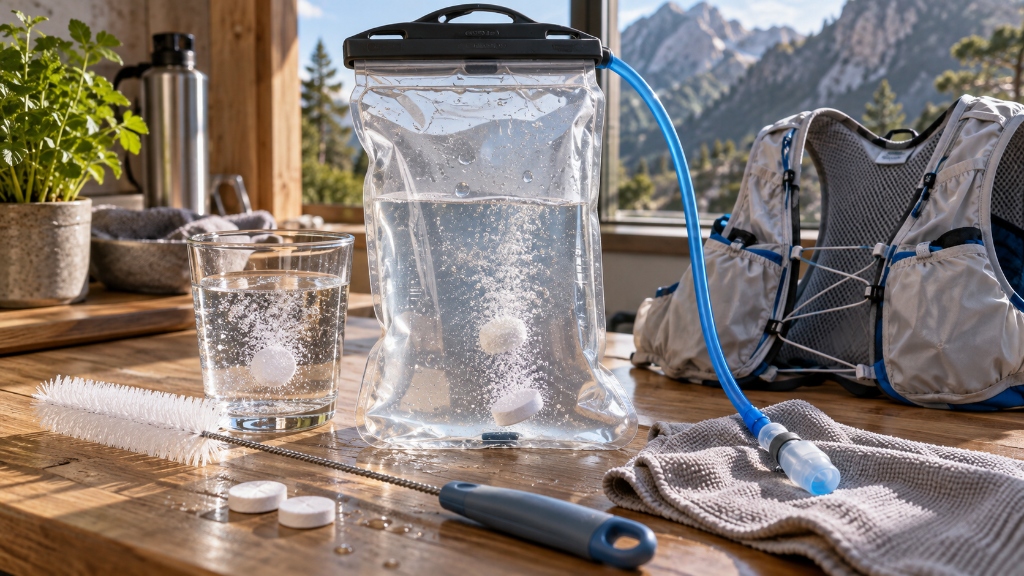 장비관리
장비관리등산 조끼와 배낭용 수낭(하이드레이션 블래더) 호스 내부에 침과 잔수로 인해 발생하는 검은 곰팡이(바이오필름)의 위험성과 원인을 분석합니다.
Review 4-season rules, the 5:3:2 stamina law, interactive packing checklists, and 119 emergency rescue steps.