Loading Mountain Details
Fetching live weather forecasts & trail safety status...
A representative Korean peak certified for its high scenic beauty and historical hiking significance.
Check real-time weather and safety status for Deoksungsan Mountain. We provide wind speed, precipitation, temperature, trail courses, and transport info to help plan your hike.
Situated in the tranquil heartland of Korea, Deoksungsan Mountain (495.2m) is best visited during early summer in May when fresh vegetation brings delightful scents. Walking up the gentle dirt trails leads to an open vista. Indulging in shrimp and mushroom hot pot alongside crispy pan-fried minnows afterward captures the genuine hospitality of the region.
”It was selected in consideration of the fact that the scenery combined with strangely shaped rocks is so beautiful that local residents call it a salt river, and that it was designated as a provincial park (1973). It is famous for Sudeoksa Temple, which was founded by Beopji Ji in the first year of Baekje's 29th King Beopje (599), the rock-carved Buddha, which is Treasure No. 355, and Deoksan Hot Springs.
The general hiking course follows the 1,020 stone steps that lead from next to the main hall of Sudeoksa Temple to Jeonghyesa Temple. It may be meaningful for Buddhist believers who practice a thousand bows, but it would be good for hikers who have to climb mountains all their lives to go back to protect their knee joints. First, climb towards Gyeonseongam Hermitage. When you separate from the stone wall of the hermitage, you will enter a forest road on the right. At the end, a Buddhist pagoda and Haitai statue stand in a quiet vacant lot. From the vacant lot, it is a steep ridge. When I look back, I see Sudeoksa Temple for the first time. And soon you meet the stone stairway leading up from Sudeoksa Temple. From then on, you have no choice but to climb up the stone stairs. We pass Mangong Pagoda, pass Jeonghyesa Temple, and stand at the top along the path that people have walked up and down until it becomes shiny and shiny. The path down the mountain is gentle and has many side roads, so it is easy to take a wrong turn. Head exactly northeast from the summit marker. If you see a red “Beware of Forest Fire” flag in the middle, you are successful.
| division | panel | time taken |
|---|---|---|
| Recommended course | Sudeoksa Temple ① - 5 minutes - Gyeonseongam Hermitage ② - 10 minutes - (Vacant) - 10 minutes - (Stairway confluence) - 25 minutes - Summit ⑤ - 55 minutes - Dunri ⑥ | Approximately 1 hour and 45 minutes |
| Other course 1 | Nabon Deogae ⑦ - Summit ⑤ - Yukgoejeong ⑧ | Approximately 1 hour and 30 minutes |
| Other Course 2 | Norumok ⑨ - Summit ⑤ - Stairs ⑤ - Sudeoksa Temple ① | Approximately 1 hour and 20 minutes |
| Other course 3 | Parking lot ① - Dongnamneung - Summit ⑤ - 150 peaks ⑩ - Samseung-ri ⑪ | Approximately 1 hour and 40 minutes |
The starting point is Yesan and Hongseong. City buses to Sudeoksa Temple run 20 times in Yesan and 19 times in Hongseong. According to the budget, there are 7 express buses from East Seoul Terminal and 17 from Nambu Terminal. In Daejeon, express buses run 24 times and direct buses run every 25 minutes, and there are buses from Incheon, Cheongju, and Anyang to cities other than Chungcheongnam-do. To Hongseong, it goes 6 times from Dong Seoul Terminal and 8 times each from Gangnam Terminal and Nambu Terminal. In Daejeon, express buses run every 50 minutes and run 18 times directly. In cities other than Chungcheongnam-do, there are buses from Incheon, Cheongju, Ansan, Seongnam, and Gunsan. There are 5 Saemaeul trains and 12 Mugunghwa trains on the Janghang Line. Seohaean Expressway Haemi IC → National Road No. 45 toward Sudeoksa Temple → National Highway No. 13 from Nabondogae towards Hongseong → National Highway No. 40 from Oera-ri towards Deoksan
Practical technical hiking guides tailored for elevation 495.2m.
![“쉬면 춥고 걸으면 땀 범벅인 당신에게” 등린이 티를 벗는 하이커의 비밀: [Zone 2 & 핏집 벤트 컨트롤]](/images/zone2_vent_control_guide.jpg) 체온조절
체온조절고어텍스를 입고도 내부가 축축해지는 원인을 분석하고, 투습 한계를 극복하는 물리적 환기(Ventilation) 타이밍을 제시합니다.
 신소재/기어
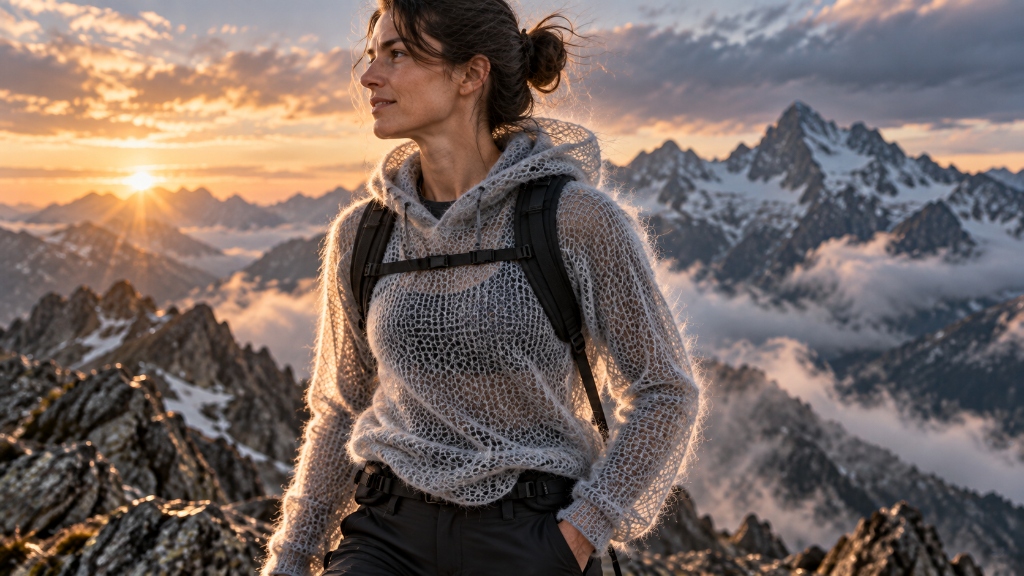
미군 특수작전사령부(SOCOM) 요청으로 탄생한 차세대 초경량 액티브 인슐레이션(Active Insulation)의 구조적 원리를 분석합니다.
 장비관리
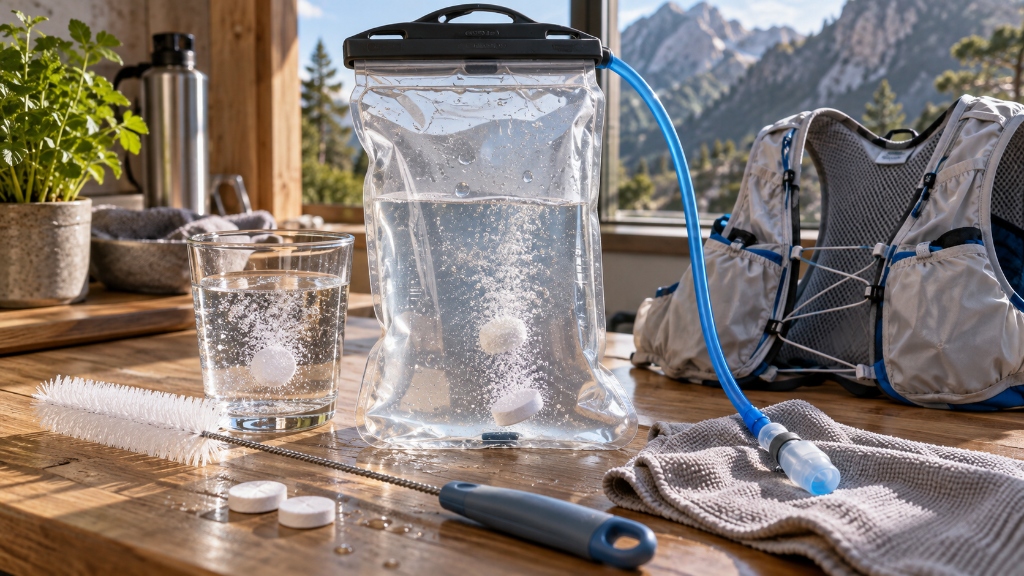
장비관리등산 조끼와 배낭용 수낭(하이드레이션 블래더) 호스 내부에 침과 잔수로 인해 발생하는 검은 곰팡이(바이오필름)의 위험성과 원인을 분석합니다.
Review 4-season rules, the 5:3:2 stamina law, interactive packing checklists, and 119 emergency rescue steps.