Hiking Sweat Odor Care Etiquette Guide: Comprehensive Guide & Essential Safety Tactics
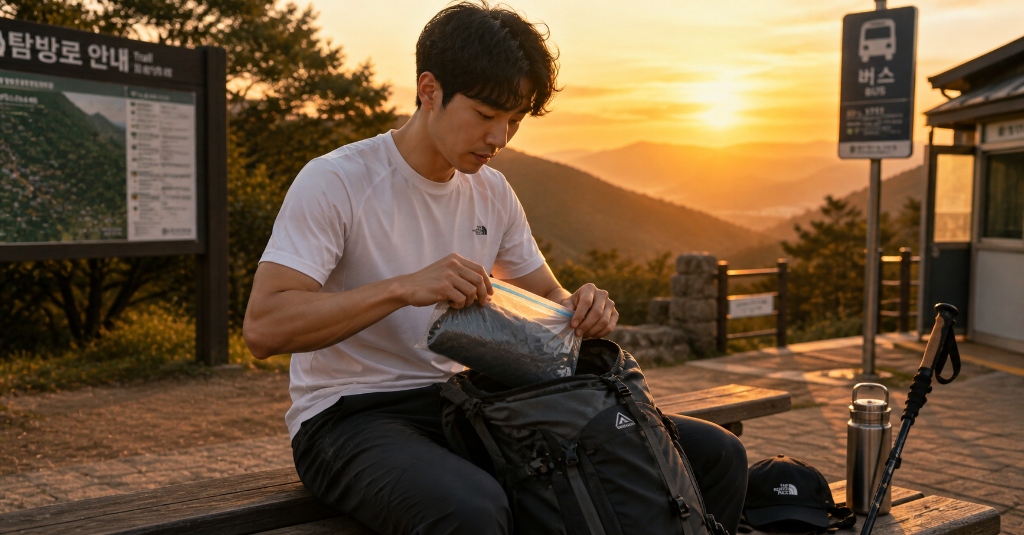
- 1Master practical techniques and gear preparation for hiking sweat odor care etiquette guide to maximize outdoor safety.
- 2Understand physical stamina pacing, weather risk factors, and terrain hazards across Korean mountain landscapes.
- 3Equip appropriate footwear, technical apparel, and emergency essentials before heading to the trailhead.
1. Fundamentals of Hiking Sweat Odor Care Etiquette Guide
- Prioritize safety and trail preparation tailored for hiking sweat odor care etiquette guide.
- Check real-time weather forecasts and national park trail open status before departure.
- Pace your cadence to maintain steady heart rates throughout the ascent.
2. Essential Gear & Practical Protocols
- Carry reliable navigation tools, high-capacity power banks, and offline GPX maps.
- Layer moisture-wicking base layers with windproof outer shells to regulate core temperature.
- Keep emergency hydration and electrolyte snacks within arm's reach.
3. Expert Field Advice for Korean Mountain Ridges
Common Rookie Mistakes & Proven Solutions
Smart Buyer's Guide: Emergency Safety & Essential Gear
- •❌ Relying solely on smartphone flashlight (drains battery and occupies hands)
- •❌ Pea-whistles with moving balls (freezes or jams with moisture during emergencies)
Essential safety setup for every day hiker
Sunrise/sunset chasers and all-season mountain trekkers
- ✓🔍 Headlamp with verified ANSI-FL1 lumen and runtime ratings
- ✓🔍 Pealess high-decibel whistle operable in wet/freezing conditions
- ✓🔍 Tear-resistant aluminum emergency thermal blanket (sub-50g)
Essential Hiking & Trail Glossary
Practical outdoor methodology and knowledge covering hiking sweat odor care etiquette guide on mountain trails.
Universal outdoor ethics principle advocating 100% pack-out of waste and minimal environmental footprint.
Recommended Korea Mountains for this Guide
Bukhansan Mountain
Ideal mountain route for experiencing and practicing hiking sweat odor care etiquette guide.
Gwanaksan Mountain
Ideal mountain route for experiencing and practicing hiking sweat odor care etiquette guide.
Seoraksan Mountain
Ideal mountain route for experiencing and practicing hiking sweat odor care etiquette guide.
Interactive Trail Safety Checklist
Tap each item before departing to verify readiness.
Generational Hiking Guide Series
Kids Trail Gamification & Scavenger Hunt
3 rules to turn early whining into joyful nature exploration
Couples Hiking Date & 10-Min Myth Guide
Pacing strategies, secret comfort gear, and scenic date peaks
4050 Spine Decompression & Fat Burn
Protecting lumbar discs while maximizing visceral fat loss
Hiking with Elderly Parents & Medical Kit
Barrier-free boardwalks, anti-shock poles, and medical safety