"Gulping Water Makes Your Legs Heavier?": The 15-Minute 3-Sip Micro-Hydration Rule & Plain Water vs. Electrolyte Golden Ratio
- 1Why chugging 300-500ml after feeling thirsty dilutes blood sodium (hyponatremia), triggering calf cramps, stomach sloshing, and shortness of breath.
- 2How the '15-Minute 2-3 Sip (80-100ml) Micro-Dosing Rule' doubles intestinal absorption and completely eliminates digestive slosh.
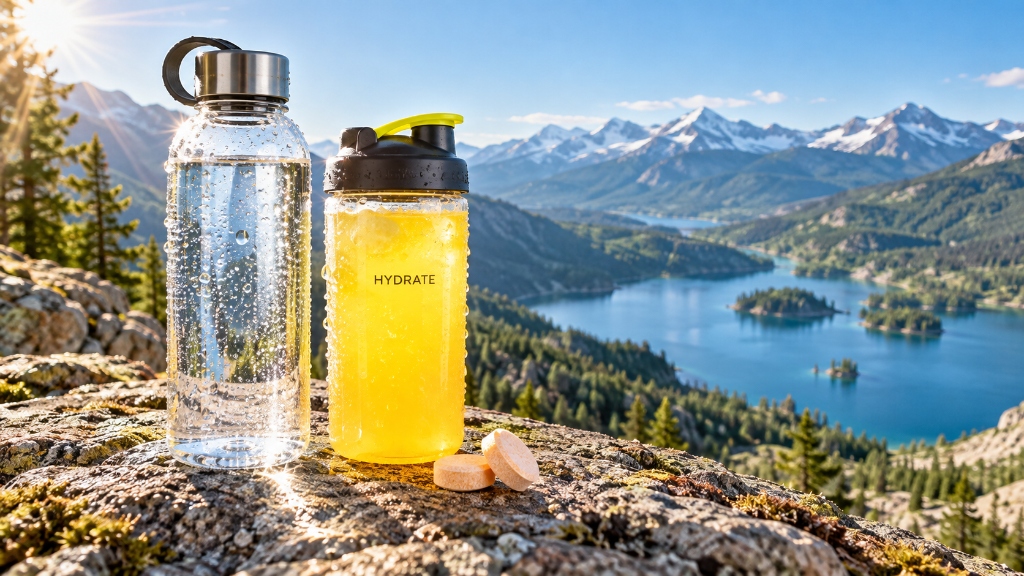
- 3The optimal 1:1 packing ratio: 1 bottle of plain water + 1 bottle of electrolyte sports drink (or effervescent tablets) for complete cramp prevention.
1. [Physiology] The Dangers of Gulping Water on the Trail
- Gastric Heaviness & Breathing Restriction: Chugging 300ml+ of icy water fills your stomach with heavy deadweight, pressing against your diaphragm and causing sharp side stitches and shortness of breath on climbs.
- Hyponatremia & Severe Muscle Cramps: Gulping pure water after sweating heavily flushes and dilutes blood sodium levels. This disrupts nerve signaling, triggering agonizing calf and quad cramps.
- The Science of the 15-Minute 3-Sip (80-100ml) Rule: The human small intestine can only absorb 400-600ml of fluid per hour. Taking 2-3 sips every 15-20 minutes ensures 100% absorption directly into the bloodstream with zero digestive sloshing.
2. [Comparison Matrix] Chugging vs. 15-Minute Micro-Hydration
| Hydration Feature | Improper Chugging (Wait for Thirst) | 15-Minute Micro-Hydration | Real-World Trail Benefit |
|---|---|---|---|
| Drinking Cadence | Only when throat is parched (lagging) | Preemptive 2-3 sips every 15-20 min | 100% prevents trail fatigue and dehydration |
| Volume per Intake | 300-500ml massive gulping | 80-100ml (2-3 small sips) | 0% stomach sloshing and diaphragm pinch |
| Fluid Composition | 100% plain water only | 1 Water + 1 Electrolyte Drink (1:1 Ratio) | Maintains sodium balance, stops muscle cramps |
| Water Temperature | Freezing ice water (stomach spasm) | Cool/lukewarm water (10-15°C) | Minimizes cardiovascular stress & spasms |
3. [Setup Protocol] 3-Step Trail Hydration Protocol
Pre-Hydrate with 200ml Water 30 Minutes Before Start
Drinking a glass of water before hitting the trail optimizes blood volume and prevents early heart rate spikes on the initial climb.
Swish in Mouth to Moisten Mucosa Before Swallowing
Holding water in your mouth for 2 seconds before swallowing signals your brain's thirst center, refreshing your dry palate with minimal liquid.
Drop 1 Electrolyte Tablet into 500ml Water
Instead of carrying heavy commercial bottles, carry ultralight effervescent electrolyte tablets to dissolve on demand.
Common Rookie Mistakes & Proven Solutions
Smart Buyer's Guide: Trail Nutrition & Electrolyte Hydration
- •❌ Relying only on sugary candies (causes rapid blood sugar spikes and crashes)
- •❌ Chugging plain water while sweating heavily (causes hyponatremia and leg cramps)
Day hikers preventing dehydration and muscle fatigue
Endurance thru-hikers and long-distance ridgeline trekkers
- ✓🔍 25-30g carbs and 100-200mg sodium per energy packet
- ✓🔍 Isotonic stomach-friendly osmolarity formula
- ✓🔍 Easy-tear packaging operable with one hand or gloves
Essential Hiking & Trail Glossary
An abnormally low concentration of sodium in the blood caused by overconsumption of plain water without electrolytes during endurance exercise.
A lightweight tablet that dissolves in water to provide essential sodium, potassium, and magnesium mimicking human blood plasma.
The speed at which an isotonic carbohydrate-electrolyte beverage passes through small intestine membranes into the bloodstream compared to plain water.
Interactive Trail Safety Checklist
Tap each item before departing to verify readiness.
Generational Hiking Guide Series
Kids Trail Gamification & Scavenger Hunt
3 rules to turn early whining into joyful nature exploration
Couples Hiking Date & 10-Min Myth Guide
Pacing strategies, secret comfort gear, and scenic date peaks
4050 Spine Decompression & Fat Burn
Protecting lumbar discs while maximizing visceral fat loss
Hiking with Elderly Parents & Medical Kit
Barrier-free boardwalks, anti-shock poles, and medical safety