Torch 1,500+ Calories & Sculpt Glutes: 4-Week Hiking Fat-Burn Program & Zero Muscle-Loss Nutrition Protocol
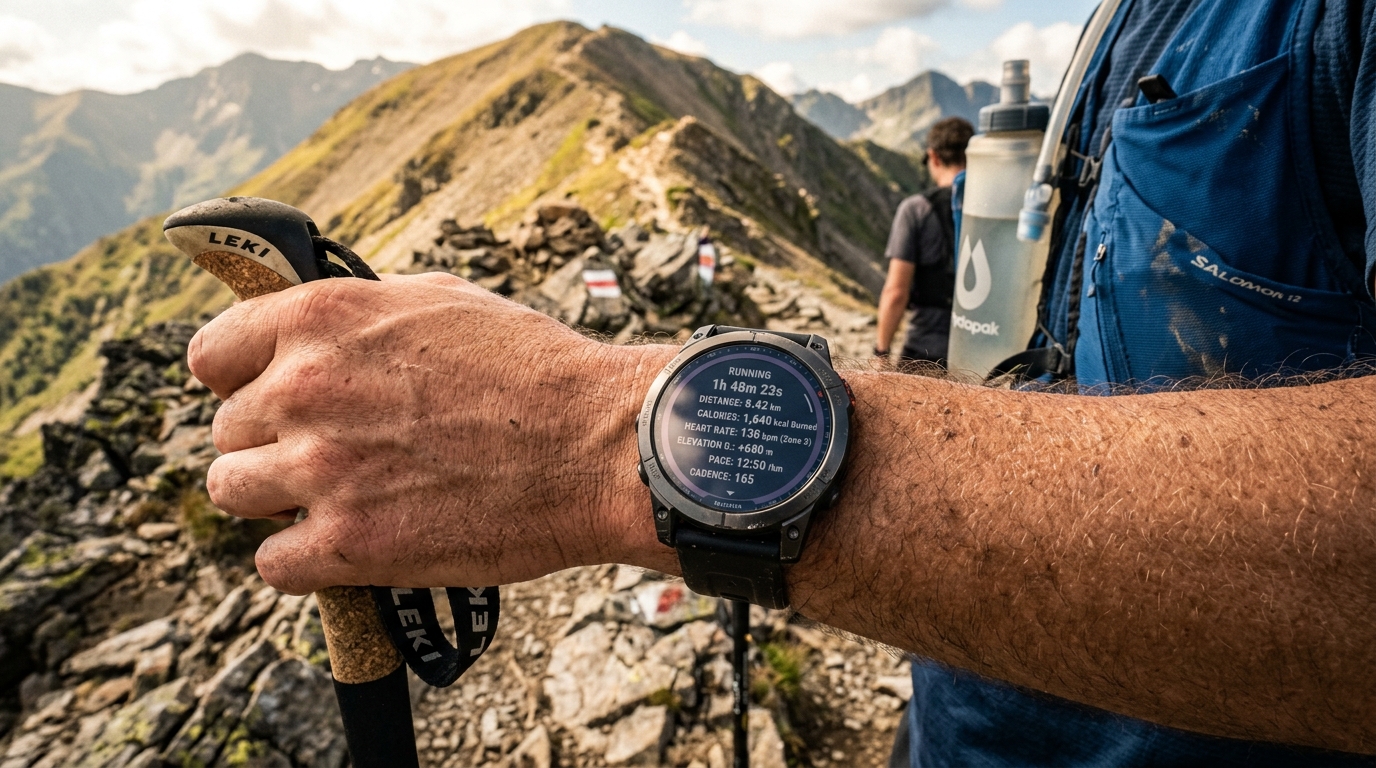
- 1Discover the physiological power of incline hiking burning 1.5x more body fat than treadmill jogging without pounding knee joint destruction.
- 2A progressive 4-week outdoor transformation roadmap: from local urban nature hills (adaptation) to alpine summit day pushes (peak metabolic fat-burn).
- 3Science-backed glute-activation biomechanics, Zone 2 heart rate pacing, and a precise pre-, intra-, and post-hike nutrient timing blueprint to prevent muscle wasting.
1. [Comparative Analysis] Hiking vs Running vs HIIT: Caloric Burn, Fat Oxidation & Joint Stress
| Workout Modality | Hourly Calorie Burn (70kg/154lb) | Fat Oxidation Ratio | Joint Impact Stress | Sustainability & Total Calorie Potential |
|---|---|---|---|---|
| Incline Trail Hiking | 600 ~ 800 kcal / hr | 65 ~ 75% (Prime Zone 2 Aerobic Fat Burn) | Low-to-Moderate (Reduced 30% with poles) | Sustained for 3-5 hours (1,800-2,500 kcal per hike) |
| Flat Pavement Running (6 mph) | 650 ~ 750 kcal / hr | 40 ~ 50% (High Glycogen Dependence) | High (3-4x body weight ground impact) | Hard to sustain beyond 45-60 min for non-elites |
| Indoor Gym Stationary Cycling | 450 ~ 550 kcal / hr | 50 ~ 60% | Very Low | Monotonous; high drop-out rate after 45 min |
| High-Intensity Interval (HIIT) | 700 ~ 900 kcal / hr | 30 ~ 40% (Anaerobic Glycolysis) | Very High | Capped at 20-30 min; often triggers post-workout binge eating |
2. 📅 [4-Week Progression Roadmap] The 6-8 lb Fat-Loss & Metabolic Elevation Plan
Week 1: Aerobic Engine Primer (Gentle Foothill Loop 3-4 miles / 5-6km)
Terrain: Mild forest loops with under 15% grade (1.5-2 hours). Dial into your conversational Zone 2 heart rate (60-70% of Max HR) where lipid oxidation peaks and joint connective tissues warm up.
Week 2: Glute Drive & Core Activation (Moderate Ridge Trails 5-6 miles / 8-10km)
Terrain: Mixed terrain with moderate stone steps and switchbacks (2.5-3 hours). Master the heel-drive stride pushing through the gluteus maximus to sculpt the posterior chain while burning 800+ kcal.
Week 3: Cardiorespiratory Summit Push (2,000-2,500ft Elevation Gain / 6-8 miles)
Terrain: Mountain peak climb with sustained vertical gradient (3.5-4 hours). Utilize dual trekking poles to turn the ascent into a full-body metabolic furnace, torching 1,200-1,500 kcal.
Week 4: Epic Ridge Fat-Loss Capstone (8-10+ miles / 13-16km)
Terrain: Full-day scenic mountain traverse (5-6 hours). Burn 1,800-2,200 kcal, tap into deep visceral fat stores, and lock in metabolic rate improvements with post-hike protein replenishment.
3. 🥗 Zero-Muscle Loss Protocol: Pre-, Intra-, and Post-Hike Nutrition Timing
- Pre-Hike (1-2 Hours Prior - Energy Loading): Never hike fasted for long ascents. Fasted high-grade hiking catabolizes lean muscle tissue. Eat 300 kcal of complex carbs with moderate protein (e.g. rolled oats with berries and whey isolate, or a whole-wheat banana peanut butter wrap).
- Intra-Hike (150 kcal Micro-Fueling Every 45 Min): Sip electrolyte water and consume low-glycemic portable fuel (raw almonds, dried apricots, energy chews) to preserve blood glucose stability and avoid the dreaded 'bonk'.
- Post-Hike 45-Minute Anabolic Window (Muscle Repair & Binge Prevention): Drink 25g of high-quality whey/plant protein immediately upon reaching the trailhead. Replace high-calorie celebratory pub food with grilled salmon, lean chicken bowl, roasted sweet potatoes, and leafy greens.
4. 💡 4 Master Biohacking Tips for Trail-Based Body Sculpting
- The 'Heel-Drive' Cue for Lean Legs & Lifted Glutes: Pushing off exclusively from toes over-develops bulky calf muscles. Press down firmly through your midfoot and heel on every step to activate hamstrings and glutes.
- Dual-Pole Arm Drive for 20% Higher Caloric Expenditure: Actively engage triceps and lats on every pole plant to recruit the entire upper body, transforming the hike into a cross-country skiing equivalent.
- Sip Room-Temperature Electrolytes Over Iced Water: Ice-cold water shocks the stomach during high-exertion climbs; isotonic room-temperature electrolyte hydration optimizes cellular nutrient absorption.
- Pack Weight as Functional Resistance: Carrying a well-fitted 8-10 lb daypack naturally engages core stabilizers (erector spinae and rectus abdominis) without straining lumbar discs.
Common Rookie Mistakes & Proven Solutions
Smart Buyer's Guide: Emergency Safety & Essential Gear
- •❌ Relying solely on smartphone flashlight (drains battery and occupies hands)
- •❌ Pea-whistles with moving balls (freezes or jams with moisture during emergencies)
Essential safety setup for every day hiker
Sunrise/sunset chasers and all-season mountain trekkers
- ✓🔍 Headlamp with verified ANSI-FL1 lumen and runtime ratings
- ✓🔍 Pealess high-decibel whistle operable in wet/freezing conditions
- ✓🔍 Tear-resistant aluminum emergency thermal blanket (sub-50g)
Interactive Trail Safety Checklist
Tap each item before departing to verify readiness.
Generational Hiking Guide Series
Kids Trail Gamification & Scavenger Hunt
3 rules to turn early whining into joyful nature exploration
Couples Hiking Date & 10-Min Myth Guide
Pacing strategies, secret comfort gear, and scenic date peaks
4050 Spine Decompression & Fat Burn
Protecting lumbar discs while maximizing visceral fat loss
Hiking with Elderly Parents & Medical Kit
Barrier-free boardwalks, anti-shock poles, and medical safety