Science of Acclimatization at 1,500m-5,000m: Zero Acute Mountain Sickness & Pressure Breathing Formula
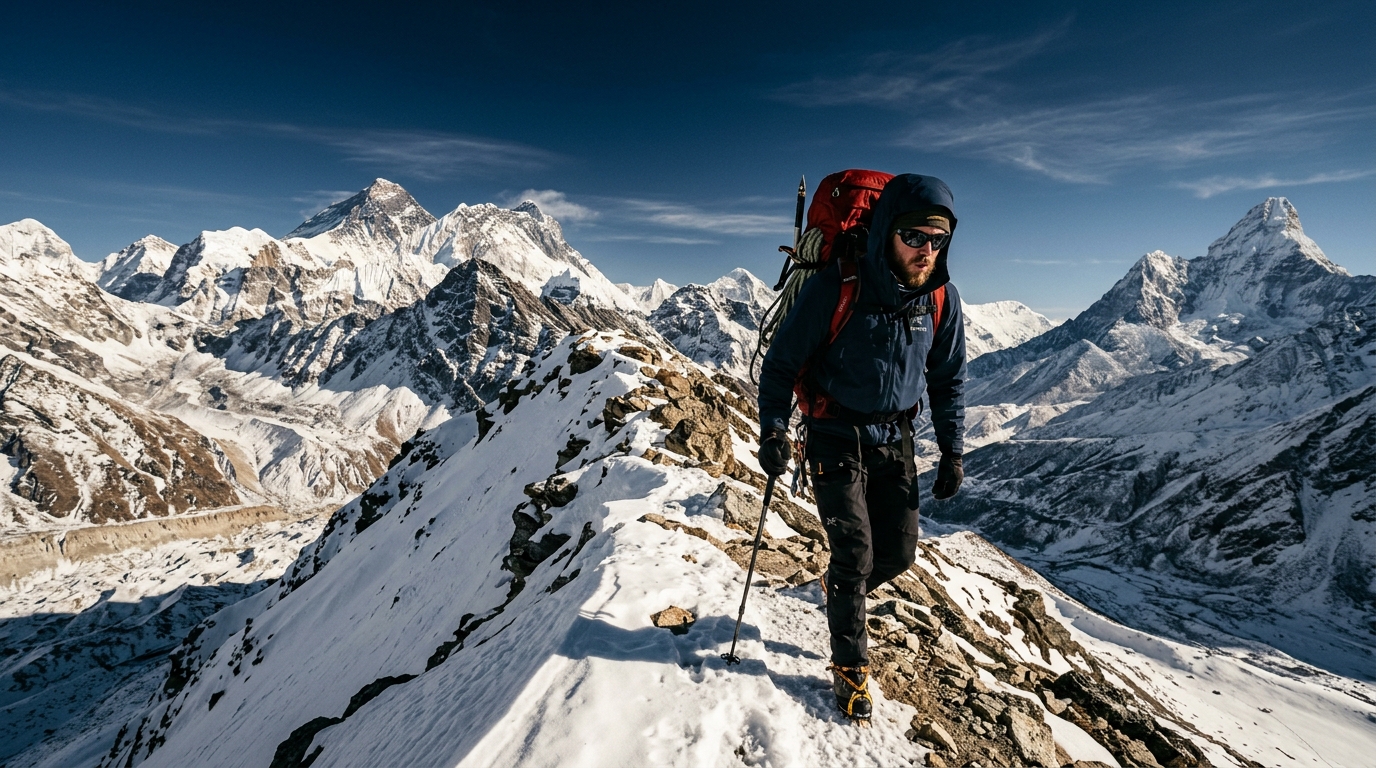
- 1Biomechanical analysis of High-Altitude Hypoxia from Mt. Hallasan/Jirisan to Japan Northern Alps (3,190m), Mont Blanc (4,810m), Kilimanjaro (5,895m), and Everest Base Camp.
- 2Master the 4-step Pressure Breathing technique used by elite alpinists to artificially boost alveolar partial pressure of oxygen by 15-20% and defend SpO2 blood saturation.
- 3Features UIAA gold-standard acclimatization rules (Climb High Sleep Low, 4L fluid protocol) and Acetazolamide (Diamox) pharmacological timing guides.
1. [High Altitude Physiology] Why Elite Marathoners Collapse at 3,000m Above Sea Level
- Drastic Drop in Oxygen Partial Pressure: While atmospheric oxygen concentration remains constant at 21%, falling barometric pressure cuts effective oxygen availability to ~70% at 3,000m and ~50% at 5,000m.
- Fitness Does Not Equal Immunity: Acute Mountain Sickness (AMS) correlates with erythropoietin production speed and cerebral vascular regulation rather than VO2 max or muscle mass.
- Hyperventilation & Respiratory Alkalosis: Rapid breathing from oxygen hunger expels excessive CO2, shifting blood pH alkaline. This triggers cerebral vasoconstriction, causing throbbing headaches and nausea.
2. [Comparison Matrix] Altitude Tiers, Physiological Responses & UIAA Acclimatization Rules
| Altitude Tier | Effective Oxygen | Primary Symptoms | Mandatory Acclimatization Rule | Target Peaks & Ranges |
|---|---|---|---|---|
| Intermediate (1,500m-2,500m) | 85% to 75% | Mildly elevated heart rate, shallow sleep | Hydrate 3.0L daily, reduce uphill pace by 20% | Mt. Hallasan (1,947m), Mt. Jirisan (1,915m) |
| High Altitude (2,500m-3,500m) | 75% to 65% | Early AMS (throbbing temples, loss of appetite, fatigue) | Initiate Pressure Breathing, cap daily sleeping altitude gain to 500m | Japan Northern Alps (3,190m), Mt. Fuji (3,776m) |
| Very High Altitude (3,500m-5,500m) | 65% to 50% | Sleep apnea, severe lethargy, peripheral edema | Strictly apply Climb High Sleep Low; consider prophylactic Acetazolamide | Mt. Kinabalu (4,095m), Mont Blanc (4,810m), Nepal EBC (5,364m) |
3. [Alpinist Master Technique] 4-Step Pressure Breathing for Instant Alveolar Oxygen Boost
Deep Diaphragmatic Nasal Inhale
Inhale slowly and deeply through your nose for 2-3 seconds, expanding your belly rather than your chest.
Form Pursed Lips
Tighten your lips into a small circle as if whistling or gently blowing out a candle flame.
Forced Positive-Pressure Exhalation
Exhale forcefully against the narrow lip resistance with an audible whoosh. This back-pressure inflates collapsed alveoli and forces oxygen into capillaries.
Synchronize 1:1 with Cadence
Inhale across 2 deliberate paces and forcefully exhale on the following 2 paces to eliminate respiratory muscle exhaustion.
Common Rookie Mistakes & Proven Solutions
Smart Buyer's Guide: Emergency Safety & Essential Gear
- •❌ Relying solely on smartphone flashlight (drains battery and occupies hands)
- •❌ Pea-whistles with moving balls (freezes or jams with moisture during emergencies)
Essential safety setup for every day hiker
Sunrise/sunset chasers and all-season mountain trekkers
- ✓🔍 Headlamp with verified ANSI-FL1 lumen and runtime ratings
- ✓🔍 Pealess high-decibel whistle operable in wet/freezing conditions
- ✓🔍 Tear-resistant aluminum emergency thermal blanket (sub-50g)
Essential Hiking & Trail Glossary
A syndrome of headache, nausea, fatigue, and dizziness caused by rapid ascent to low barometric pressure environments
An active breathing technique using pursed-lip exhalation to create positive intrapulmonary back-pressure and force oxygen transfer across alveolar membranes
Interactive Trail Safety Checklist
Tap each item before departing to verify readiness.
Generational Hiking Guide Series
Kids Trail Gamification & Scavenger Hunt
3 rules to turn early whining into joyful nature exploration
Couples Hiking Date & 10-Min Myth Guide
Pacing strategies, secret comfort gear, and scenic date peaks
4050 Spine Decompression & Fat Burn
Protecting lumbar discs while maximizing visceral fat loss
Hiking with Elderly Parents & Medical Kit
Barrier-free boardwalks, anti-shock poles, and medical safety